Tuesday, March 11, 2008
just say cheese
The first thought that came to my mind was: where is the rest of the arm? Why does the hamburger helper just have a hand--what about the rest of the arm? Besides the obvious malformation of the hamburger helper mascot, the 1983 commercial is rather catchy. The little jingle is a foot taper and the smiling family at the dinner table is encouraging to all those who find themselves lonely at meal times.
First of all I love the fact that the commercial is from the 1980's. The mom's hair has a slight poof and her face is splashed with pastel makeup. It is also interesting to compare commercials from today to this commercial. Most commercials today are raunchy humor, primarily involving beer, sex, and dumb humor. In the 80's the commercials were catchy and witty. Who else could deliver such a clever tune about preparing dinner using a box of hamburger helper?
Anther observation was the overall 'happy' feel of the commercial. In the beginning the mom was stressing about fixing her family dinner and was suddenly relieved and delighted that the smiling white hamburger helper hand mascot came to her rescue. Not only was she smiling and happy but so was this woman's family. Everyone was sitting at the dinner table smiling and laughing as they shoveled sharp cheddar cheesy hamburger helper into their mouths.
I am sure all commercials try to make their product look as tasty and efficient as possible. When one needs help with cooking this commercial should remind them of hamburger helper. The hamburger and the noodles actually looked tasty. The hamburger was added to the pan followed by a perfect rain of uncooked noodles into the pan. Next, the steaming cheesy noodles and hamburger were stirred with a wooden spoon. The viewer can only imagine the delicious aroma coming from that pan as he or she watched the commercial.
The meal obviously tasted good, and the mom is a hero (as well as the hamburger helper hand) and the family sits to enjoy time together and the scrumptious food.

Friday, March 7, 2008
food for thought or thought for food?
 Zaireeka! Isolated sounds from four different sources are combined and meshed together forming a song, a tune, a CD track. The Flaming Lips experiment triggered this thought process: what is music? Is music different for every individual? Is it based on what can be heard in the music, or what the listener wants to hear?
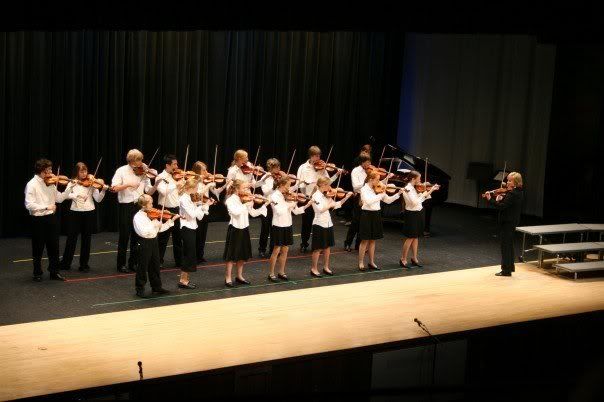
I remember the first time I went to see a symphony perform. It was one of those occasions where my mother and I got dressed up—dresses, perfume, and polished shoes. Before the concert I was nervous, excited, and a little restless. The musicians came on stage and started warming up. The brass instruments flashed in the stage lights and cello players looked strained as they were attempting to maneuver their instruments to their designated spots on the stage. A single note sounded and all the other musicians played the same note. It got quiet and the guy that waves a wand around got in front of the orchestra. The music started. I was captivated by the violin players. The violin was beautiful—it had sound, technique, and class. For me, as a third grader, the music played by the orchestra was the beginning of a dream. It sounded like opportunity, dreams, imagination, and wonder. The music planted a seed.
Now ten years later, and after hundreds of violin lessons, music is one of my passions. I can play it, perform it, read it, hear it, and feel it. That night at the symphony embedded in my little third grader brain a new concept of music. Music is not just sounds and notes. It is a wooing process. The music flirts with the soul, the mind, and the heart. The chords, the instruments, and the rhythm altogether generate feelings, emotions; a state of being. No matter what kind of music—instrumental, rock, rap, alternative, or folk it conjures the spirit. It awakens within us a desire—a zaireeka.
Wednesday, March 5, 2008
it goes a little something like this....
4 CDs, 4 ghetto blasters, 4 corners of a room, and a pair of ears is all that is needed to experience the Zaireeka sensation. Drums, base, voices, alien sounds, flowing echoes, pauses, waves radiate from each ghetto blaster speaker—each CD. Voices come from one source, base from another, soon cymbal rolls, eerie screams, and music circle the room from all directions. Next, a chorus of voices and the simple and steady piano keys pull the circling sounds together. The sounds are collected into a song. All the different parts are interconnected. They may not necessarily sound good together or be uniform throughout, but each part is vital for the overall desired effect. It is like scattered beads on the floor, each with their own destination as they roll, are gathered and strung on a piece of yarn, making a necklace.
Track number two sounds like the music is being played underwater. The sound waves ripple, the music crescendos in waves, and the notes drip. The sounds are traveling together—darting and swimming like a nervous school of fish or like a scarf of birds. The music ends with a suspended fade and drains out.

The familiar, crisp guitar chords begin track number four. Soon flute notes beat and pulsate. Other sounds emerge. They create chaos and static—a collage of broken instruments. The flute is still beating. It beats off key, eerie like. Voices come in oblivious to the chaos and static beneath its sound. The sound becomes spherical—it builds and the ears get dizzy. It continues to crescendo and almost becomes unbearable. Then it breaks off. The crisp guitar returns and crickets chirp similar to the sensation of ice tea after a hard day’s work.
Track number seven: cheerful beeps and a piano that plays along like a dog catching a Frisbee. The song is propelling, steady, and factory like or machine driven. The methodical sounds build and congregate, forming a wall cloud. The sounds turn to a scattered thunderstorm. The piano notes are lightning, the cymbals are wind, the mesh of guitar is the thunder. There is a downpour of mixed sounds. Wind and hissing air becomes angry snakes. The hiss slowly softens and weakens.
Each sound is a bead on a necklace. Each contributes to the whole. Each sound, each noise, and each instrument weave in and out together to compose a song—Zaireeka! as the Flaming Lips would say.
Track number two sounds like the music is being played underwater. The sound waves ripple, the music crescendos in waves, and the notes drip. The sounds are traveling together—darting and swimming like a nervous school of fish or like a scarf of birds. The music ends with a suspended fade and drains out.
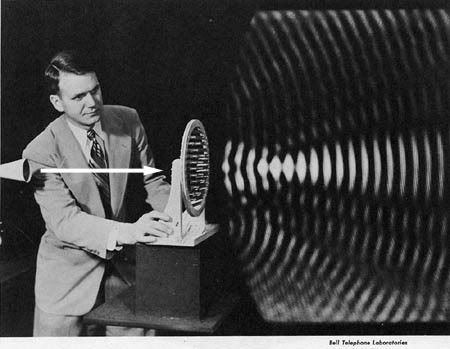
The familiar, crisp guitar chords begin track number four. Soon flute notes beat and pulsate. Other sounds emerge. They create chaos and static—a collage of broken instruments. The flute is still beating. It beats off key, eerie like. Voices come in oblivious to the chaos and static beneath its sound. The sound becomes spherical—it builds and the ears get dizzy. It continues to crescendo and almost becomes unbearable. Then it breaks off. The crisp guitar returns and crickets chirp similar to the sensation of ice tea after a hard day’s work.
Track number seven: cheerful beeps and a piano that plays along like a dog catching a Frisbee. The song is propelling, steady, and factory like or machine driven. The methodical sounds build and congregate, forming a wall cloud. The sounds turn to a scattered thunderstorm. The piano notes are lightning, the cymbals are wind, the mesh of guitar is the thunder. There is a downpour of mixed sounds. Wind and hissing air becomes angry snakes. The hiss slowly softens and weakens.
Each sound is a bead on a necklace. Each contributes to the whole. Each sound, each noise, and each instrument weave in and out together to compose a song—Zaireeka! as the Flaming Lips would say.
Sunday, March 2, 2008
Tangles of Forgotten Treasures
 Fifteen years have passed since I have thought of my pink and turquoise jewelry box with the heart clasps and mirror on the inside. I can still remember the assortment of treasures I had in the box—including tangles of sparkly jewelry and multicolor barrettes. This childhood recollection was triggered when I saw my pink and turquoise jewelry box sitting on a shelf in the jumble of toys at Goodwill. When I recognized the jewelry box on the shelf, my heart skipped as waves of pleasant memories swam to the forefront of my mind. I remembered the feeling of giddiness when I was little right before I would open the box to reveal all of my valuables. This jewelry box housed my treasured stick-on-earrings, one set for each day of the week, my frilly and lacy hair bows, my assortment of Barbie figurines from McDonald's Happy Meals, and rocks collected from the playground.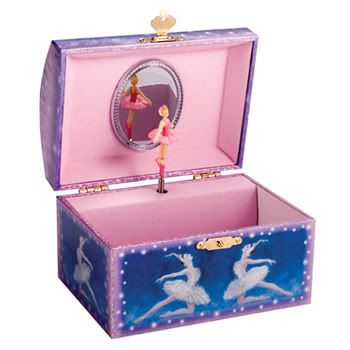
As a four year old, every time I opened the jewelry box I would carefully sift through all the items, taking satisfaction in each prized possession. Sometimes I would examine the playground pebbles like I was performing my own important science experiment, hoping to find evidence for the existence of dinosaurs or a fossil of an undiscovered species. Other times I would trace my finger along the waves of the ribbons on my hair bows and put them all in my hair at once. I would pretend I was a fussy princess and try on different combinations of bracelets, necklaces, and plastic jewel rings and strut around my room giving orders to my dazed stuffed animals. Then, when it was time to play something else, I would take off my jewelry, collect the pebbles, unclasp the bows from my hair and put everything back into the jewelry box. The heart clasps would snap shut and my treasures inside would be secured safely.
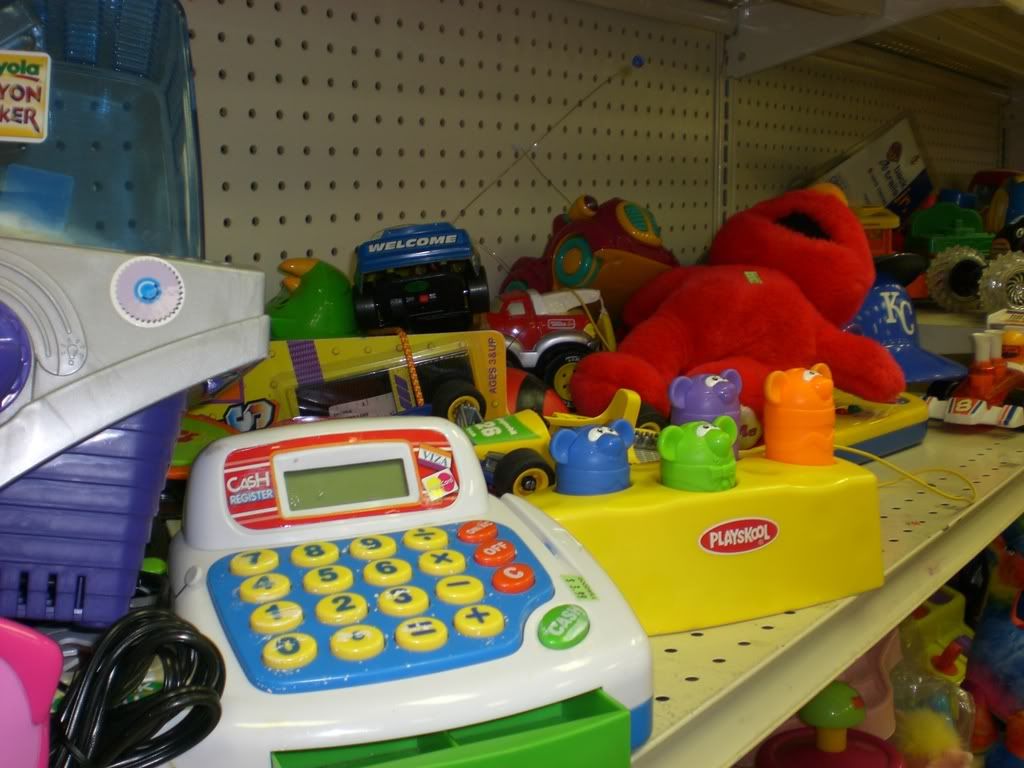 Now years later, after my Barbies, preteen boy band posters, and high school uniform have been put away, suddenly my jewelry box is sitting on a shelf at Goodwill. Cautiously, I approached the jewelry box in the Goodwill store, almost apprehensive, and opened it. I did not know what I was expecting when I opened the box, but I was suddenly cheerless and disappointed. I saw the mirror on the inside of the box. It had smudges and finger prints of its previous owner and the rest of it was empty. It was sterile. It was desolate. There was no magic or playfulness it once had. It was like the jewelry box of my childhood was emptied of its treasures and placed irrelevantly on the messy and dusty shelf. I cleared a space for it, pushing aside the tacky plastic noise making toys, and rightfully made the jewelry box a place of its own. I wanted to convey its spirit and magic to the next potential owner. I wanted the jewelry box to know it was loved. The jewelry box looked cared for and significant now that it was dusted off and had its own space. At the very least, I was satisfied with the cleaning and open space around the jewelry box and took a last look at a fond memory of my childhood and continued my adventure through the gently used toys and appliances.
 I looked around at the misplaced and random collection of items through the store. I wondered if they once had value like my pink and turquoise jewelry box had. I wondered if the other toys on the metal shelves felt deserted and unloved. I felt obligated to find an importance or value to each item, hopefull
 y making it feel loved and wanted again. As I processed this thought, a little girl wandered through the toy section. She had dark hair—messy like she just woke up from a satisfying nap. Her Velcro shoes with a Disney princess on the side shuffled and skipped through the toy aisle. She stopped only to examine the toys of interest while pushing aside the others. Eventually, she selected a doll. She picked it up and held it at eye level, only inches from her face. Her face softened. The little girl traced the eyebrow and nose of the doll’s face with her small finger and smoothed the wrinkled dress it was wearing. “Cathleen!” Her father was calling her. She darted out of the aisle and proudly showed the doll to her father. She explained all the reasons as to why she should have the doll in a hurried and rapid Spanish speaking gasp. The father looked intently at the doll. He slowly nodded his head in approval as he handed the doll to his daughter. The father walked through the store and whistled while he kept an eye on his little girl wandering through the store.
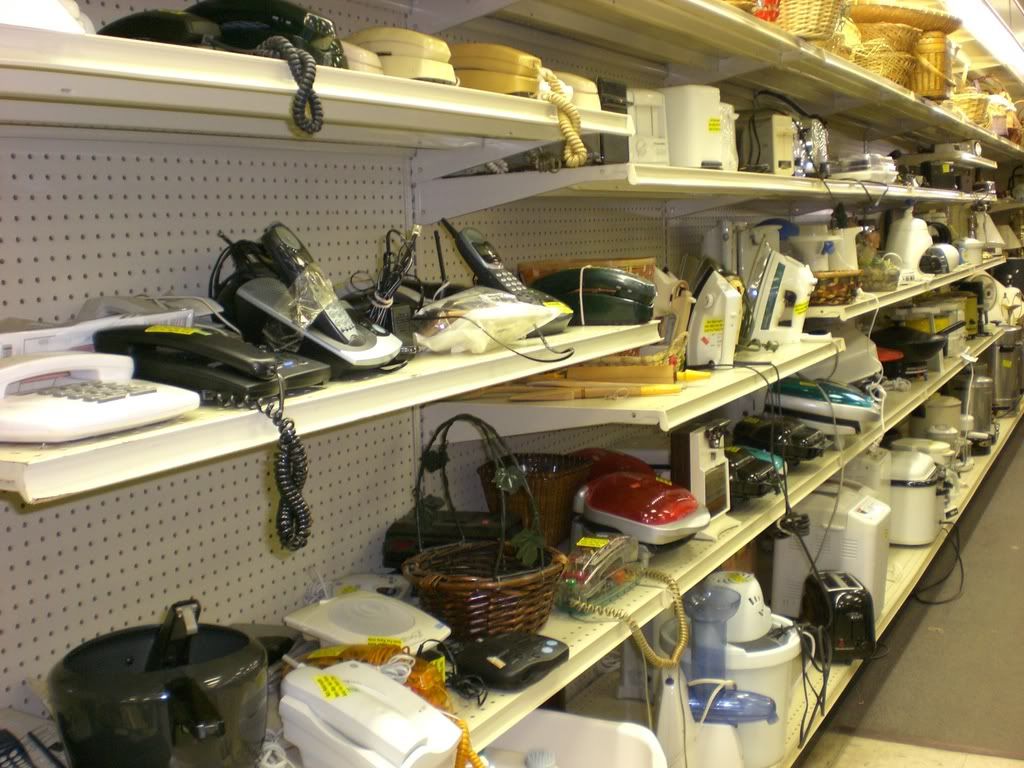
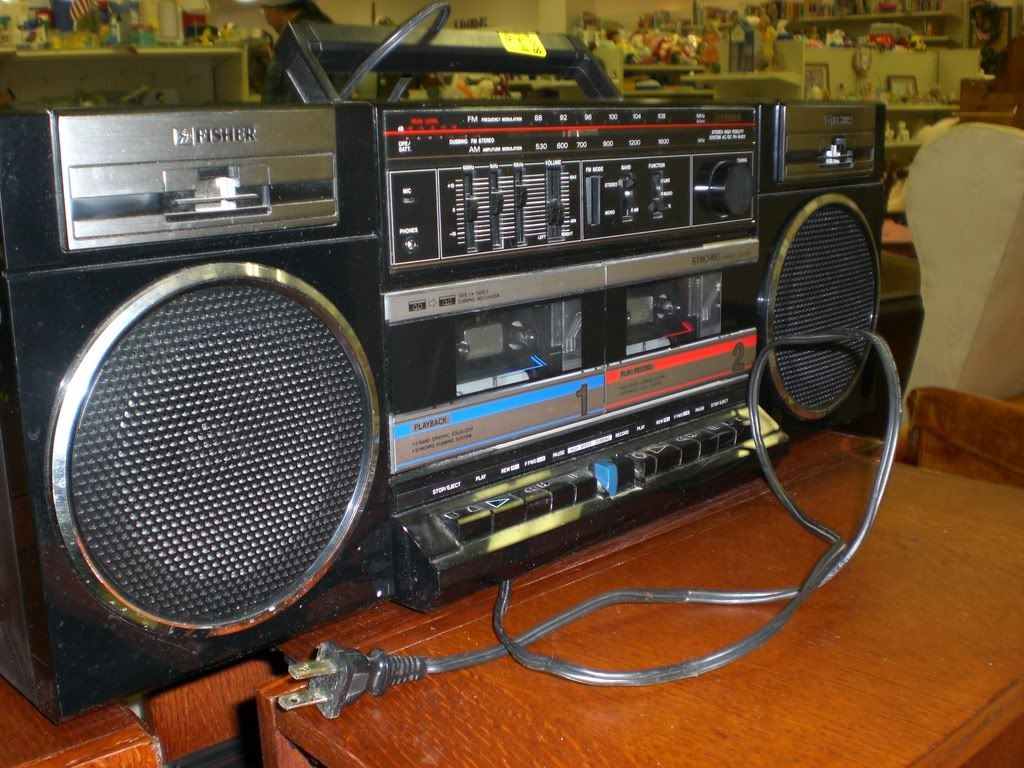
 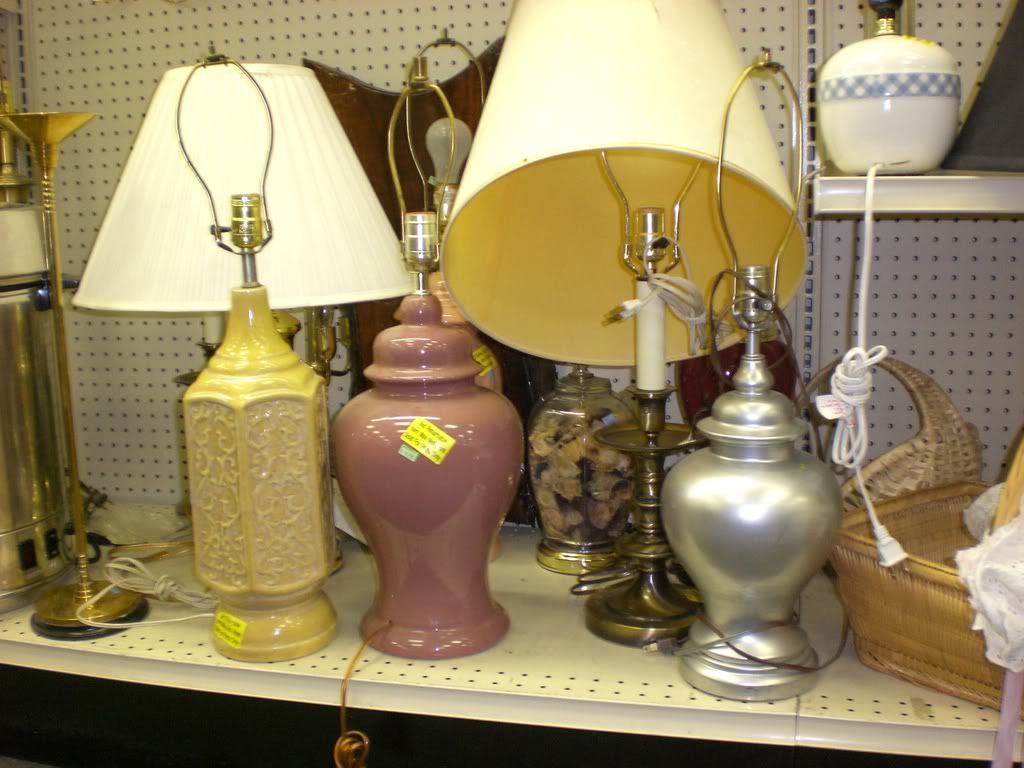 I kept browsing through the used goods. A collection of shiny ceramic cows, dull plastic watering cans, a respected grandfather clock, and a framed Norman Rockwell print inhabited the walls and shelves. The dusty electronic section was composed of tangled phone cords, abused vacuums, forgotten toasters, naked lamps, and prehistoric computers and stereos. I weaved through the shelves and racks to the back of the store and found the furniture section. The lazy recliners, matching ‘His and Her’ chairs, and the stoic Captain’s chairs were all lined up like first graders waiting in the lunch line. I found a funny looking chair and sat. It was a rusty velvety orange sofa and smelled of dust and smoke. The velvet was worn and no longer soft on the arms of the chair. Parts of the fabric underneath showed around the corners. The cushion was so worn it surprised me as I continued to sink farther into the seat. Once I was comfortable I imagined the previous owner of the chair sitting and relaxing, perhaps smoking a cigarette and watching television with the remote balanced on the arm of the chair. I looked at the chair next to me. It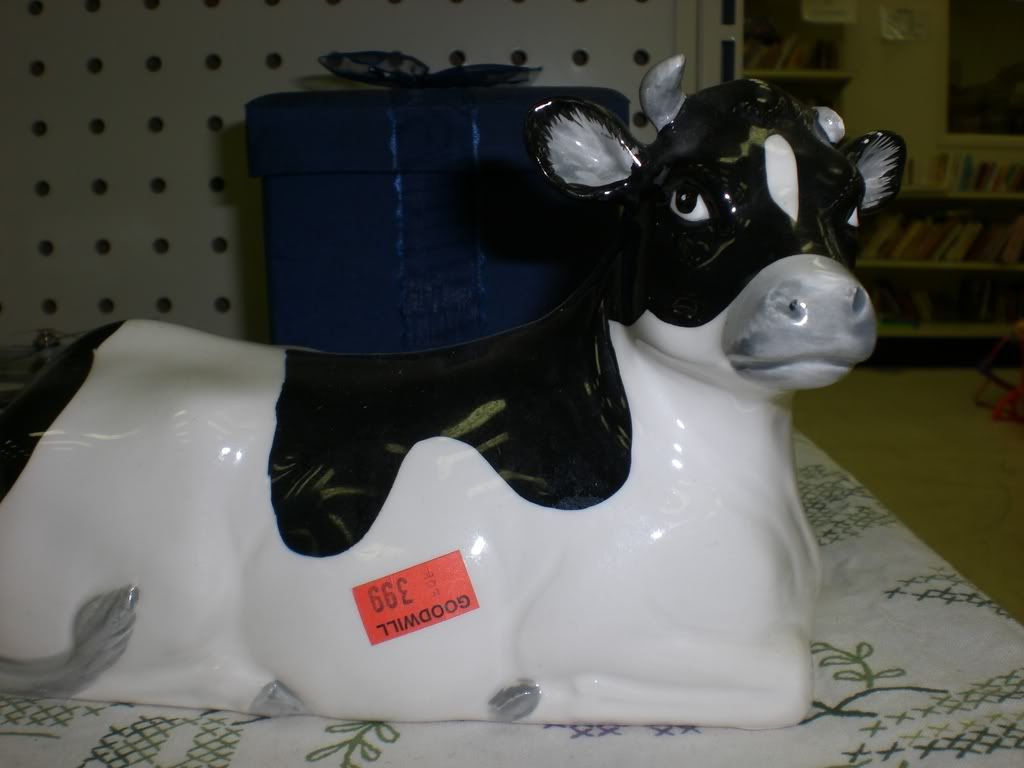
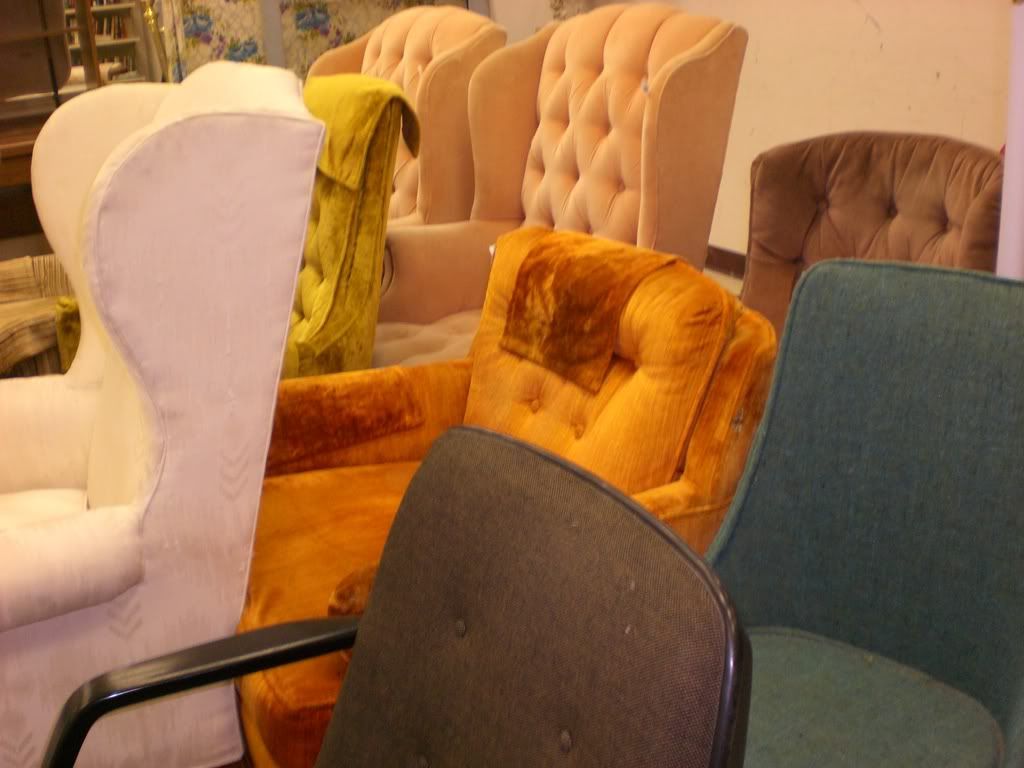 was a beige lazy boy recliner with dark stains on the arms and near the recliner lever on the side. It smelled like hard work and washed out air freshener. The cyclical announcement startled my inspection: “Thank you Goodwill customers for shopping with us today. This Friday and Saturday are the manager’s 99 cent sale on select items! The store hours are…”
 I figured that was my cue to leave the furniture section and continue browsing. The clothing section reminded me of mazes on the back of cereal boxes and my oil paints lined up in rainbow order. All the clothes were arranged in rows according to relative color and size. The color coded racks were pleasing to look at. The red racks of clothes were faded, checkered, cotton, and bold. While the green racks of clothes were velvet, Hawaiian patterned, worn in the knees, and serene. I could hear the sound of frantic browsing. It was the hangers scraping th
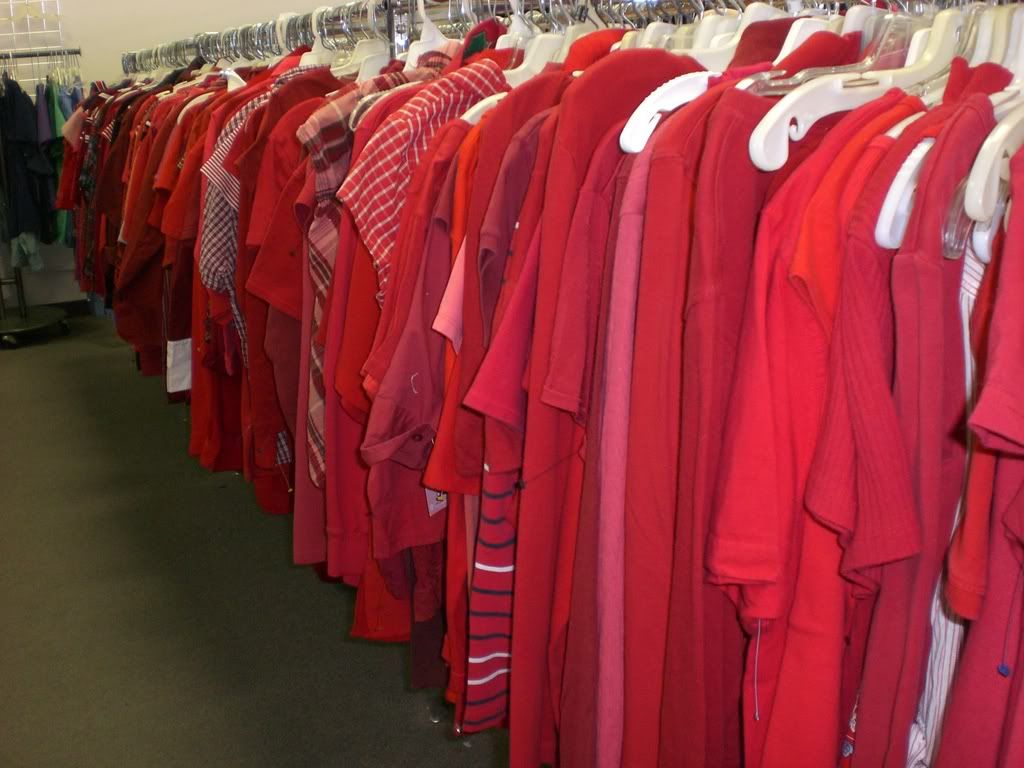 e metal racks. In order to get the item off the rack the rest of the clothes had to be shoved using the momentum of the entire upper half of the body and pushed aside. While the musty sweaters, elastic waist mommy jeans, and floppy t-shirts were on the congested racks, the fancy evening dresses were proudly hung on the walls of the store as if to declare they were better than everything else.
 A man passed me while I was walking from the apparel section to the household goods. He walked with a slight gimp from hard work and had comb streaked hair. The expression on his face was serious and his eyes darted anxiously from shelf to shelf. He was carrying two items, one in each hand. He had a framed piece of pale landscape art and an engraved wooden plaque. This man walked stiffly through the shelves and stopped. He slowly bent over to rest the art and wooden plaque against the shelf and wiped his hands along the sides of his pants. His eyes relaxed. He reached for a map quietly resting on the shelf. He held the map in his hands for a few seconds and suddenly softened. He slowly and diligently unfolded the map and skimmed its contents. His face conjured a half smile as if he was reminiscing about a favorite pastime of his boyhood. With careful precision, the man folded the map to its original form, traced the corners with his finger, and made a space for it on the shelf. He aligned the map on the shelf so it no longer looked forgotten, but instead looked noble and dignified. The man stiffened again and reached for his items. As he shuffled away I could not help but wonder if he found his version of a pink and turquoise jewelry box—a vault of priceless memories. When he was out of sight, I went over to the area of the shelf where he found the map. There it was. The misplaced treasure now purposefully took up space like it was remembered and loved again.
Subscribe to:
Posts (Atom)